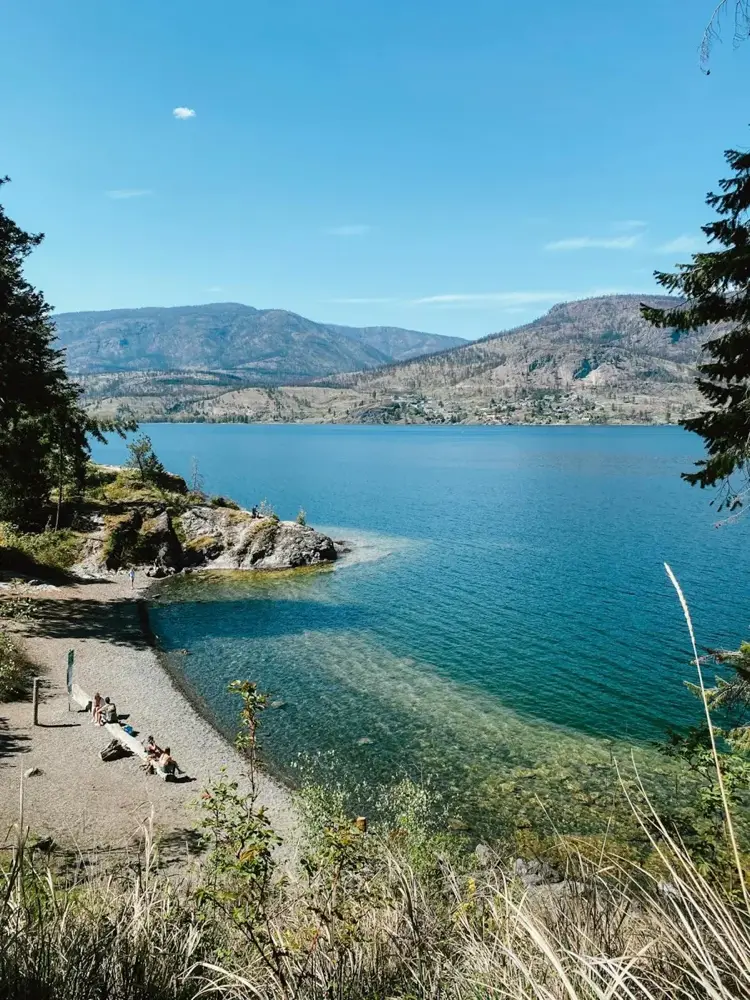
Moving to Kelowna
The honest guide to relocating to the Okanagan. What's great, what's not, and what you need to know before you pack up your life.

Giuseppe Gaspari
REALTOR® | Okanagan Real Estate Specialist
Born and raised in Kelowna. Helping families find their perfect Okanagan home.
Last updated: February 2026
Why Are People Moving to Kelowna?
I helped 11 families relocate to Kelowna last year. Eight from Alberta, two from Vancouver, one from Toronto. Every single one asked me the same thing before they moved: "Is it really as good as it looks on Instagram?"
Short answer: mostly yes, but with caveats nobody posts about. The lake is real. The wineries are real. The sunshine is real. But so is the $815K median home price, the under-2% rental vacancy rate, and the summer smoke that rolls in some years.
I grew up here. I've watched Kelowna go from a mid-sized town to BC's third-largest metro. I know what works for newcomers and what catches them off guard. Here's the version I give my clients.

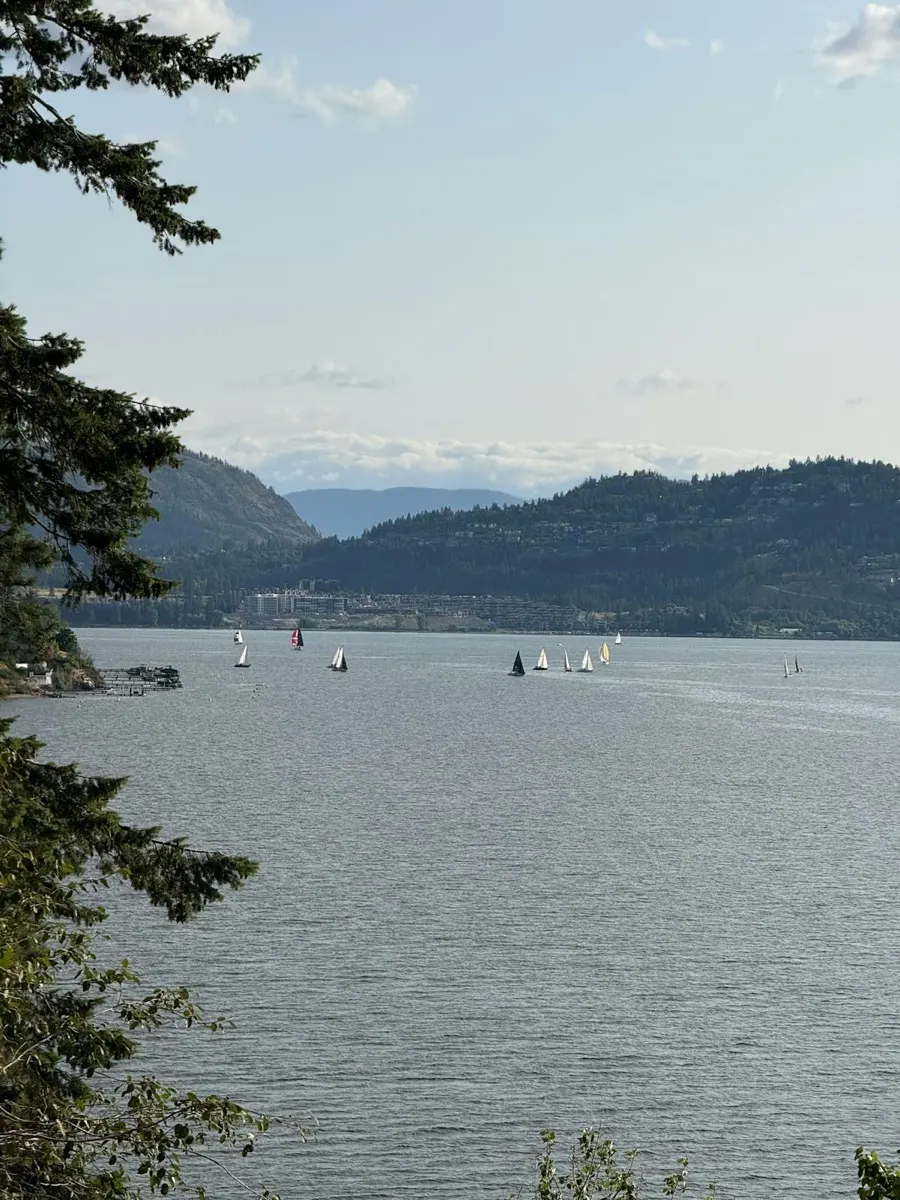
The Honest Pros & Cons
Why People Love It
- Weather
2,000+ hours of sunshine. Hot summers, mild winters. One of Canada's best climates.
- Outdoor Lifestyle
Lake in summer, Big White in winter. Hiking, biking, golf, wineries year-round.
- Size & Pace
Big enough to have amenities, small enough to avoid big-city stress. 15-minute commutes.
- Community
Strong sense of place. People know their neighbours. Active volunteer scene.
The Trade-Offs
- $Housing Costs
Median home $815K. Local wages don't match. Rental vacancy under 2%.
- Wildfire Smoke
July-August smoke is real some years. Air quality warnings, hazy skies.
- Limited Job Market
Healthcare, construction, hospitality dominate. Career advancement harder than cities.
- Grey Winters
December-February can be overcast and grey. Not as sunny as summer suggests.
The honest summary: Kelowna is fantastic if you prioritize lifestyle over career, can afford the housing (or work remotely), and accept the trade-offs. Remote workers with out-of-province salaries do the best here. Average local wages sit around $70K, which doesn't stretch far against an $815K median home price. Retirees with pensions and equity from selling in Vancouver or Calgary also thrive. It's challenging if you need to climb a corporate ladder, rent long-term (under 2% vacancy makes finding a rental brutal), or expect Alberta-level affordability. The people who love it most came here with their eyes open about the costs.
Moving to Kelowna from Alberta
Albertans are one of the largest groups moving to Kelowna. The drive from Calgary is about 6 hours (Highway 1 through the mountains), and culturally, the Okanagan feels more familiar than Vancouver. But there are real financial differences to understand.
What You'll Gain
- ✓ Milder winters (no -30°C or chinook headaches)
- ✓ Lake lifestyle instead of mountains-only
- ✓ Wine country in your backyard
- ✓ Less wind, more consistent weather
- ✓ Ocean within 4-hour drive
What You'll Pay
- • BC PST (7%) on most purchases
- • Higher income tax brackets
- • Higher gas prices
- • Similar or higher housing (depends on area)
- • Overall ~10-15% more expensive
The Alberta Advantage (In Kelowna)
Many Albertans have significant home equity from years of no PST and lower costs. If you're selling a $600K Calgary home and buying in Kelowna, you're competitive. If you can keep Alberta remote work income while living here, even better.
Common profile: Oil patch workers who can work rotational schedules, healthcare professionals transferring to KGH, remote tech workers, and early retirees with pensions.
Moving from Alberta?
I help Albertans find their way in the Kelowna market every week. Let's talk about what your budget gets you here.
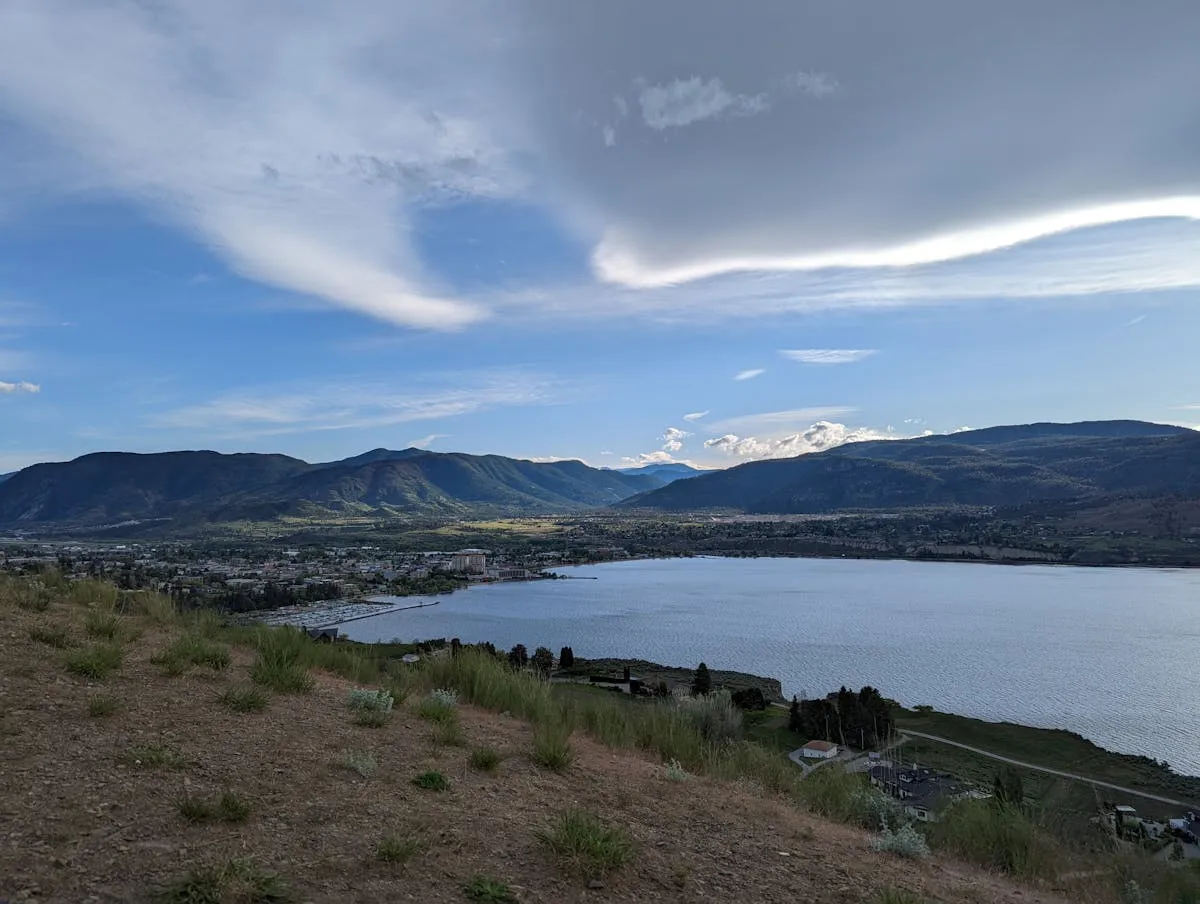
The drive into the Okanagan Valley is when most people decide they're moving here
Moving to Kelowna from Vancouver
For Vancouverites, Kelowna often feels like the escape hatch. Same province, similar weather (but sunnier), and housing that's actually attainable. The 4-hour drive (or 45-minute flight) keeps you connected to family and friends.
The Financial Win
- ✓ 20-25% lower cost of living overall
- ✓ Your Vancouver condo equity = Kelowna house
- ✓ Same taxes, same healthcare, same systems
- ✓ Lower gas, easier parking
- ✓ No bridge tolls or transit stress
What You'll Miss
- • World-class dining and cultural scene
- • Ethnic food diversity
- • Major concerts and events
- • International airport hub
- • Public transit that works
The Equity Play
Selling a $1.2M Vancouver condo and buying a $900K Kelowna house leaves you with cash in pocket and more space. Many Vancouver families make this move when kids start school or when remote work becomes permanent. It's the most common relocation pattern I see.
Common Vancouver profiles I help: Tech workers who went permanently remote during COVID and realized they don't need to pay Vancouver prices. Young families selling a 2-bed condo in Burnaby to buy a 4-bed house in Glenmore. Semi-retired couples who want wine country without giving up BC healthcare. And lately, a lot of healthcare workers transferring to Kelowna General Hospital, where the lower cost of living makes their salary go further.
Cost of Living: Kelowna vs Calgary vs Vancouver
| Expense | Kelowna | Calgary | Vancouver |
|---|---|---|---|
| Median Home | $815K | $585K | $1.2M |
| 2-Bed Rent | $2,000-2,400 | $1,800-2,200 | $3,000-3,500 |
| Gas (per litre) | $1.65-1.80 | $1.40-1.55 | $1.85-2.05 |
| Groceries (monthly) | $600-800 | $550-700 | $700-900 |
| Utilities | $150-250 | $200-300 | $100-200 |
| Childcare (monthly) | $800-1,200 | $1,000-1,400 | $1,200-1,800 |
| Income Tax | BC rates + PST | No PST, lower AB tax | Same as Kelowna |
Estimates based on 2026 averages. Individual costs vary by lifestyle and location within each city.

Kelowna Weather & Climate
Kelowna has a semi-arid climate, one of the driest in Canada. We get about 380mm of precipitation annually (compared to Vancouver's 1,200mm). The lake moderates temperatures, making winters milder and summers slightly cooler than the desert-like south Okanagan.
Spring
8-18°C
March-May
Blossoms, warming, occasional rain
Summer
25-35°C
June-August
Hot, dry, lake season, possible smoke
Fall
8-20°C
September-November
Wine harvest, crisp, beautiful
Winter
-5-2°C
December-February
Mild, some snow, grey stretches
About Wildfire Smoke
Let's address this directly: summer wildfire smoke is a reality. Some years are minimal, others (like 2023) are significant. July through mid-August is the peak risk period. Air quality can be poor for days or weeks.
What residents do: Air purifiers, limit outdoor activity on bad days, escape to the coast or mountains. Most people accept it as a trade-off for the other 10 months of great weather. If you have respiratory issues, this is a serious consideration.
Where to Live in Kelowna
I match newcomers to neighbourhoods based on where they're coming from. Your lifestyle expectations are shaped by your current city, and some areas feel more familiar than others.
| Coming From | You'll Feel at Home In | Why | Nearby Schools | Price Range |
|---|---|---|---|---|
| Vancouver (Kitsilano) | South Pandosy | Village feel, walkable, coffee shops | Raymer Elementary, KLO Middle | $450K-$900K |
| Calgary (Aspen Woods) | Kettle Valley | Master-planned, family, newer builds | Chute Lake Elementary, Canyon Falls Middle | $800K-$1.5M |
| Edmonton (Windermere) | Glenmore | Suburban, golf courses, good schools | North Glenmore Elementary, Glenmore Elementary | $1.1M avg |
| Toronto (Liberty Village) | Downtown Kelowna | Condos, nightlife, walkability | Central Elementary, KSS | $400K-$800K |
| Small-town Alberta | Rutland | Affordable, improving area, near UBCO | Rutland Elementary, Rutland Middle | $700K-$950K |
| Anywhere (luxury) | Lower Mission | Lakefront prestige, top schools | Dorothea Walker Elementary, OKM Secondary | $1.5M+ |
Practical Moving Tips
1. Visit First (If Possible)
Fly into YLW in late September. That's when Kelowna's at its most honest. Tourist crowds are gone, the smoke has cleared, vineyards are harvesting, and the housing market has slowed enough to see realistic prices. Summer visits sell you a fantasy. September shows you what living here actually looks like.
2. Rent Before You Buy (Maybe)
Common advice, but tricky in Kelowna. The rental market is brutal (under 2% vacancy). If you can secure a rental, great. Test neighbourhoods before committing. If not, many people buy directly, especially if they're selling a home elsewhere with good equity.
3. Line Up Work First
If you're not remote or retired, secure employment before moving. The job market isn't deep. Healthcare workers, tradespeople, and tech workers have the easiest time. Hospitality and retail jobs are available but don't pay enough to cover housing costs.
4. Budget for Transition Costs
Here's what I've seen the last 10 relocations actually cost: Moving truck from Calgary $3-5K. First/last rent deposit $4-6K. Temporary housing while you close $2-4K (pet-friendly Airbnbs in Kelowna are limited). Vehicle re-registration $800-1,200. Utility setup deposits $500. Total: usually $12-18K beyond your down payment.
5. Get a Local Realtor Early
A good local realtor can do video tours, advise on neighbourhoods you've never seen, and handle paperwork remotely. Many out-of-province buyers work with me for months before they move, getting to know the market before they arrive.
Planning your move?
I help people relocate to Kelowna every week. Let's talk about your timeline and what you're looking for.
Frequently Asked Questions
Is Kelowna a good place to live?▼
Why are people moving to Kelowna?▼
Why are people moving out of Kelowna?▼
Is moving to Kelowna from Alberta worth it?▼
What is the weather like in Kelowna?▼
What are winters like in Kelowna?▼
Does Kelowna have a wildfire problem?▼
What is the job market like in Kelowna?▼
What are the best neighbourhoods in Kelowna?▼
How do I find housing in Kelowna before I move?▼
Explore Okanagan Communities
Ready to Make the Move?
Relocating from Alberta, Vancouver, or across the country? I can help you find the right home in the Okanagan.
Let's Talk About Your Move